

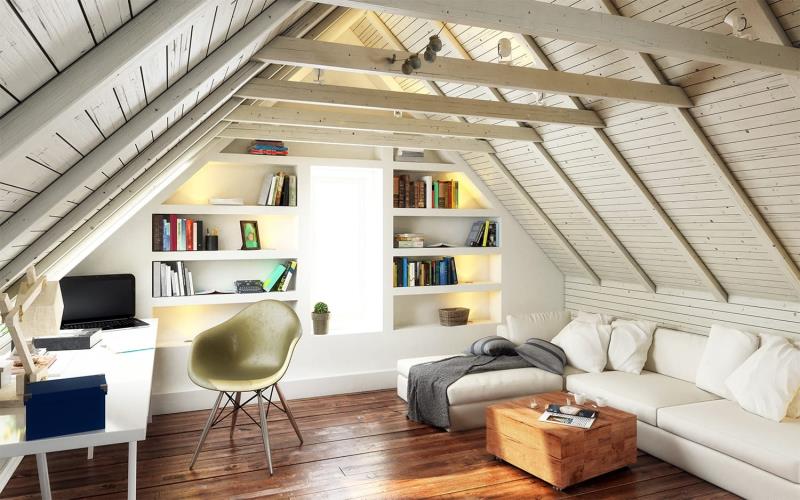
It’s easy to overlook the space just above your head, especially if it’s only used to store boxes and old holiday decorations. But that area could be the key to gaining an extra room without extending your home’s footprint. For homeowners short on space or long-term plans, it’s worth thinking about what a converted loft can bring. From extra bedrooms to quiet offices, the options are flexible. In many cases, transforming that area adds not just space but real value to your home. It’s not just about the build—it’s about rethinking how you use your home. Stick around to find out what you should know before starting your own loft project.
Not Every Loft Is Ready to Become a Room
Before getting too excited about skylights and built-in shelves, it’s smart to check if your loft can actually be converted. Head height is one of the biggest limitations—most spaces need at least 2.2 meters of clear vertical space. The shape and pitch of the roof matter too. Structures with a steep slope are usually easier to adapt than flatter ones. Floor strength also needs to be assessed, as most Attic into aren’t originally designed to support regular foot traffic. Getting a professional assessment at the beginning can save you from surprises later.
Know What You Want Before You Start Drawing Plans
It’s tempting to go straight to design ideas, but having a clear purpose for the space helps the entire project stay focused. Is it going to be a spare bedroom, a quiet office, or something else entirely? Each option comes with its own layout needs, lighting considerations, and even insulation demands. Knowing what the space will be used for also influences how it connects to the rest of the house—whether a full staircase is needed or just a more discreet access point. Starting with clarity makes all the choices that follow much easier.
What Planning and Permission Look Like
Many loft conversions fall under what’s called permitted development, which means you don’t always need formal planning permission. That said, there are limits—like how much the roofline can be extended or how the outside appearance is affected. Properties in conservation areas or flats typically have different rules. Building regulations always apply kaiyo furniture, no matter the scope of the work. These cover safety, insulation, fire escapes, and more. It’s always smart to check with your local authority before any work starts so you don’t hit roadblocks mid-project.
Smart Design Can Make a Small Space Feel Big
Lofts can have tricky angles and tight spots, but that’s where good design shines. Adding skylights or dormer windows not only brings in natural light but also increases headroom. Built-in storage along low walls makes use of space that would otherwise be wasted. Choosing light colors and continuous flooring helps make the area feel more open. Even small details, like where sockets and radiators go, make a difference in how comfortable the space ends up being. A well-thought-out layout can turn even the most awkward corners into something functional and stylish.
The Build Process and What to Expect
Once plans are drawn and permissions sorted, the actual construction can begin. Most loft projects take between six to eight weeks, though timelines vary based on complexity. During the build, expect some noise and disruption, especially if new stairs are being installed. However, because most of the work happens in the roof space, your day-to-day life won’t be turned upside down. A good team will keep mess and stress to a minimum. When it’s done, you’ll have a brand-new part of your home that fits right into the rest of it.
If you’re considering transforming your attic, this loft conversions guide can give you a solid sense of what’s involved and how to get it right. Making the most of your space doesn’t have to mean moving—it might just mean looking up.
