

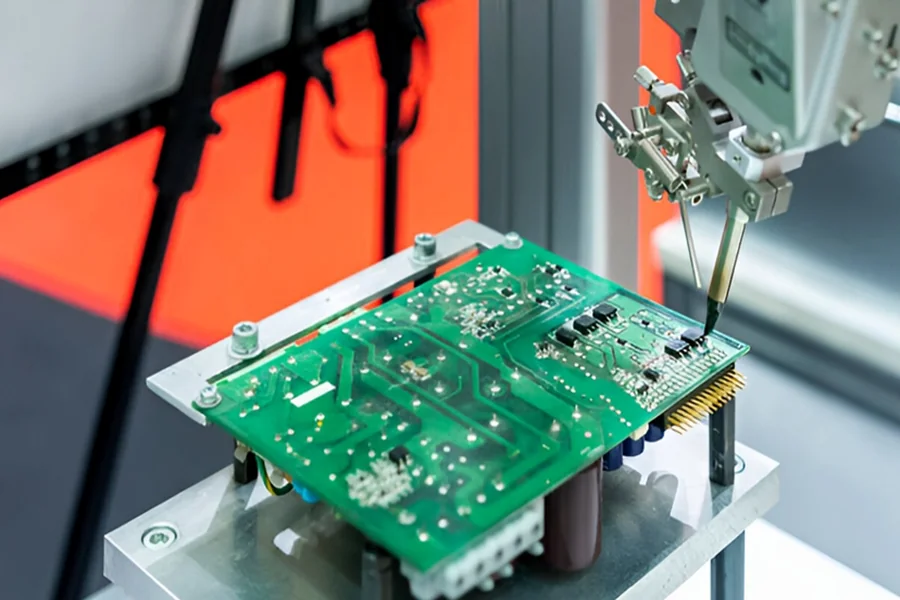
Consignment PCB assembly is a manufacturing model that gives customers greater control over their electronics production by allowing them to supply some or all of the components used in the assembly process. Instead of relying entirely on the manufacturer for component sourcing, the customer consigns parts directly to the assembly facility. This approach is widely used by OEMs and product developers who want to manage component quality, reduce material costs, or utilize existing inventories while still benefiting from professional assembly expertise.
How Consignment PCB Assembly Works
In consignment PCB assembly, the customer provides a defined list of electronic components, which may include active parts, passive components, or specialized devices that are difficult to source. The assembly partner is responsible for receiving, inspecting, storing, and using these components during production. The PCB assembler focuses on soldering, inspection, testing, and final assembly while the customer retains control over component procurement. This division of responsibility allows companies to optimize their supply chain without compromising manufacturing quality.
Component Handling and Inventory Responsibility
A critical aspect of consignment PCB assembly is proper component management. Components supplied by the customer must be clearly labeled, correctly packaged, and delivered in a condition suitable for automated or manual assembly. Professional assembly providers implement strict incoming inspection and traceability processes to ensure that customer-supplied parts are handled carefully and used accurately during production. Effective communication between the customer and the assembler is essential to avoid delays or mismatches.
Benefits of Consignment PCB Assembly
Consignment PCB assembly offers significant advantages for companies that want flexibility and cost transparency. By sourcing components independently, customers can negotiate better pricing, select preferred brands, or use surplus inventory. This model is particularly useful when components are allocated, obsolete, or subject to long lead times. Consignment PCB assembly also enables faster project turnaround when the customer already has parts available, reducing overall production lead time.
Cost Control and Supply Chain Transparency
One of the main reasons companies choose consignment PCB assembly is improved cost control. Customers gain full visibility into component pricing and avoid markup costs associated with turnkey sourcing. This transparency is valuable for startups, R&D teams, and established manufacturers managing tight budgets. At the same time, the assembly partner focuses on process efficiency, ensuring that labor and manufacturing costs remain predictable.
Challenges in Consignment PCB Assembly
While consignment PCB assembly provides flexibility, it also introduces certain challenges that must be managed carefully. Missing or incorrect components can cause production delays. Variations in component packaging or labeling may affect automated placement. To mitigate these risks, experienced assemblers establish clear guidelines for component preparation and conduct pre-production checks before assembly begins.
Communication and Documentation Requirements
Successful consignment PCB assembly depends heavily on accurate documentation. Bills of materials, reference designators, and assembly drawings must align precisely with the supplied components. Any discrepancies can result in assembly errors or rework. Regular communication between the customer and the assembly team helps ensure that expectations are clear and potential issues are resolved early in the process.
Applications Best Suited for Consignment PCB Assembly
Consignment PCB assembly is commonly used in prototype development, low to mid-volume production, and specialized industrial applications. Companies developing new products often prefer this model because it allows them to evaluate specific components or suppliers. Industrial and medical electronics manufacturers may also choose consignment PCB assembly when dealing with regulated or customer-approved components that cannot be substituted.
Quality Assurance in Consignment PCB Assembly
Quality control remains a top priority in consignment PCB assembly. Even though components are customer-supplied, the assembly provider is responsible for ensuring proper soldering, alignment, and functionality. Inspection methods such as automated optical inspection, X-ray analysis, and functional testing are used to verify assembly quality. Clear agreements define responsibility boundaries, ensuring accountability while maintaining high production standards.
Reliability and Testing Considerations
Consignment PCB assembly often includes the same testing protocols as turnkey assembly. Electrical testing and functional validation help confirm that the final product meets performance requirements. This ensures that customer-supplied components integrate seamlessly into the assembled board and perform reliably in real-world applications.
Comparing Consignment and Turnkey PCB Assembly
The main difference between consignment PCB assembly and turnkey assembly lies in component sourcing responsibility. Turnkey assembly offers simplicity by handling everything through one supplier, while consignment PCB assembly provides greater flexibility and control. Many manufacturers also offer hybrid models that combine both approaches, allowing customers to consign critical components while the assembler sources standard parts.
Choosing the Right Partner for Consignment PCB Assembly
Selecting an experienced assembly partner is crucial for the success of consignment PCB assembly. The ideal partner should have strong process controls, clear communication practices, and proven experience handling customer-supplied components. Efficient logistics management, transparent reporting, and robust quality systems ensure that consignment projects run smoothly from start to finish.
Conclusion
Consignment PCB assembly is a strategic solution for companies seeking greater control over component sourcing while leveraging professional manufacturing capabilities. It supports cost efficiency, supply chain flexibility, and faster production when managed correctly. By working with a reliable PCB assembly company, businesses can confidently implement consignment PCB assembly to achieve high-quality results, streamlined operations, and scalable production tailored to their specific needs.
