

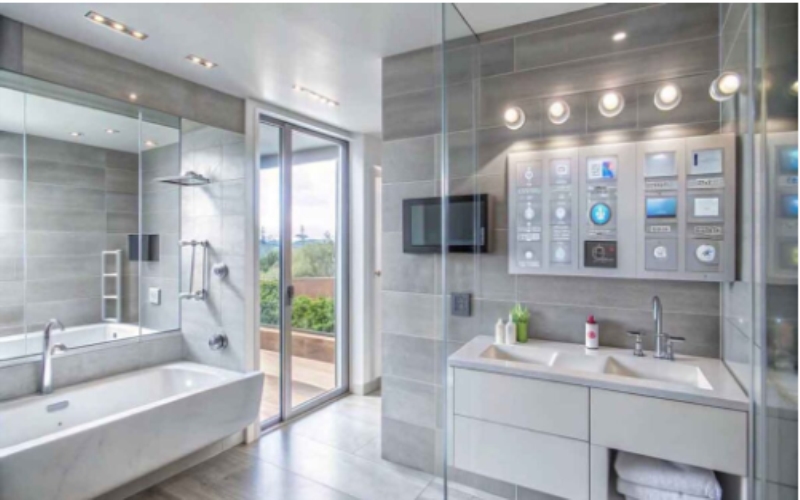
The bathroom may be one of the most functional spaces in your home, but it doesn’t have to be boring or outdated. A bathroom remodel can transform this essential room into a stunning and functional space—one that elevates both your property value and your everyday comfort.
Whether you’re a homeowner looking to upgrade your space, a DIY enthusiast ready to take on a renovation challenge, or a real estate investor maximizing a property’s appeal, bathroom remodeling is a rewarding project. Here’s everything you need to know before you get started!
The Benefits of Remodeling Your Bathroom
Remodeling your bathroom offers numerous benefits that go beyond just aesthetics. First and foremost, an updated bathroom can significantly increase the value of your home, making it a worthwhile investment if you plan to sell in the future. Additionally, modernizing your bathroom allows you to incorporate energy-efficient fixtures, such as low-flow toilets and LED lighting, which can reduce utility costs and support environmentally friendly living. A remodeled bathroom can also improve functionality, especially when designed to better suit your lifestyle—think added storage, better layout, or even safety features like grab bars and non-slip tiles. Finally, a freshly renovated bathroom can create a serene and spa-like space, offering a place to unwind and recharge after a long day.
Increase in Home Value and Appeal
Bathroom upgrades consistently rank as one of the top home improvement projects for increasing property value. A fresh, modern bathroom can attract potential buyers and justify a higher asking price, making it an excellent investment for real estate investors and homeowners alike.
Enhanced Energy Efficiency
One often-overlooked benefit of remodeling your bathroom is the opportunity to improve energy efficiency. By replacing outdated plumbing fixtures with water-efficient options, such as low-flow showerheads and faucets, you can significantly cut down on water usage. Similarly, upgrading to energy-efficient lighting, like LED bulbs, not only reduces electricity consumption but also lowers your energy bills over time. Additionally, many homeowners choose to install energy-efficient water heaters or even radiant floor heating systems during a renovation, further improving the sustainability and efficiency of the space. These investments not only pay off financially but also contribute to a greener home and a more sustainable future.
Improved Functionality and Storage
A bathroom remodel is the perfect time to rethink the flow and practicality of the space. If you’re constantly struggling with limited counter space or messy drawers, consider incorporating smart storage solutions like built-in cabinets, floating shelves, or recessed niches. Custom vanities can provide both ample storage and a sleek design, ensuring items are neatly tucked away yet easily accessible. Planning a layout that maximizes efficiency—whether it means relocating plumbing fixtures or opening up the space—can transform your bathroom into a room that caters perfectly to your needs. Thoughtful additions like dual sinks, updated ventilation systems, or even a walk-in shower can further enhance the usability and comfort of your remodel.
Enhanced Functionality and Comfort
Outdated bathrooms often fail to meet your household’s current needs. A remodel lets you optimize the layout, add storage space, or even introduce features like double sinks or walk-in showers. The result? A bathroom that works as beautifully as it looks.
Potential for Energy and Water Savings
By incorporating energy-efficient lighting, low-flow toilets, or water-saving fixtures, you can significantly reduce utility bills while contributing to a more sustainable planet. Green upgrades are not only trendy but practical, saving you money in the long run.
Planning Your Bathroom Remodel
Assess Your Needs and Set Goals
Before you begin any remodeling project, it’s crucial to evaluate your current bathroom layout and identify what improvements you’d like to make. What are the biggest pain points in your space? Do you need more storage, better lighting, or updated fixtures? Establishing clear goals will help you prioritize your upgrades and stay focused throughout the renovation process.
Set a Budget
Remodeling costs can vary widely depending on the complexity of the project and the materials used. Setting a realistic budget early on will help guide your decisions and prevent overspending. Be sure to account for unexpected expenses by including a contingency fund—usually about 10–15% of the total budget.
Choose Your Design and Style
Whether your taste leans toward sleek modernism, classic elegance, or rustic charm, choosing a cohesive design style is key to creating a visually pleasing space. Consider selecting colors, textures, and finishes that complement the rest of your home while reflecting your aesthetic. Creating a mood board or consulting a designer can help bring your vision to life.
Hire Professionals or Plan Your DIY Approach
Decide whether you’ll hire contractors, work with a designer, or take on the remodel as a DIY project. While tackling parts of the project yourself can save money, certain tasks like plumbing, electrical work, or structural changes are best left to licensed professionals to ensure safety and compliance with local building codes. A combination of DIY effort and professional expertise may provide the perfect balance for your budget and skill level.
Key Considerations Before Starting a Bathroom Remodel
Budget Planning and Setting Realistic Expectations
Before picking out tiles or paint colors, start with a firm budget. Bathroom remodeling projects can range from $5,000 for minor updates to upward of $25,000 for luxury overhauls. Allocate funds for surprises, as unforeseen expenses often crop up.
Understanding the Scope of the Project
Are you simply switching out faucets and fixtures, or are you moving walls and reconfiguring plumbing? Understanding the scope will help guide decisions and avoid costly mid-project changes.
Obtain Necessary Permits
Depending on the scope of your bathroom remodel, you may need to secure permits from your local building authority. Projects that involve plumbing, electrical work, or structural changes typically require permits to ensure that all modifications meet safety codes and regulations. Failing to obtain the proper permits could result in penalties, delays, or difficulties when selling your home in the future. Research your local requirements or consult with a contractor to determine which permits are needed for your project.
Research Materials and Finishes
The materials and finishes you select will play a significant role in both the appearance and durability of your bathroom. Prioritize quality and longevity, especially for high-traffic areas like flooring, countertops, and shower surrounds. Options like porcelain or ceramic tiles provide excellent resistance to moisture and wear, while quartz or granite countertops offer durability and a timeless look. Be sure to choose materials that are compatible with your bathroom’s ventilation and moisture levels to prevent issues like mold or warping over time.
Keep Functionality in Mind
While aesthetics are important, don’t overlook the functional aspects of your remodel. Consider factors like lighting placement, outlet locations, and ventilation when planning your design. Proper lighting is critical for tasks like shaving or applying makeup, while a strategically placed exhaust fan will prevent moisture buildup and extend the life of your materials. Ensure that your layout creates a practical flow and accommodates the needs of everyone in your household.
Stick to Your Timeline
Creating a realistic timeline is essential for minimizing disruptions during your remodel and ensuring the project stays on track. Keep in mind that unforeseen delays, such as back-ordered materials or unexpected repairs, can impact your schedule. Staying flexible and working closely with your contractors will help mitigate any setbacks. Make sure to communicate your desired completion date clearly and factor in some buffer time for potential delays.
Final Walkthrough and Adjustments
Once the remodeling work is completed, perform a final walkthrough to inspect every detail of your bathroom. Check for any issues such as poorly installed fixtures, uneven tile work, or plumbing leaks. Addressing these concerns before finalizing the project will save you time and money in the long run. Don’t hesitate to ask for adjustments or touch-ups to ensure your new bathroom meets your expectations.
With careful planning, thoughtful designs, and attention to detail, your bathroom remodel can transform a functional space into a stunning retreat that adds value to your home and enriches your daily life. Whether it’s a quick update or a full-scale renovation, taking the time to approach the project methodically will help you achieve the results you’ve envisioned.
Identifying the Latest Trends and Design Ideas
Get inspired by the latest bathroom remodeling trends (more on that below!). Consider browsing design blogs, showrooms, and online Pinterest boards to refine your vision and make decisions that will keep your bathroom both timeless and stylish.
DIY vs. Hiring a Professional
Pros and Cons of DIY
Pros: Cost savings, creative freedom, and personal satisfaction.
Cons: Requires significant time, and expertise, and can lead to costly mistakes without the proper experience.
Pros and Cons of Hiring a Professional
Pros: High-quality craftsmanship, expert advice, and time efficiency.
Cons: Higher upfront cost compared to a DIY approach.
Factors to Consider
- The complexity of the Remodel: For small changes like updating fixtures, DIY can work. For plumbing or electrical tasks, hiring a professional may save you from expensive repairs later.
- Your Time and Skills: Be honest about your abilities and schedule. Taking on more than you can handle could slow progress or result in subpar results.
- Permitting Requirements: Depending on your project, permits for plumbing or structural changes may be necessary—professionals are often well-versed in local regulations.
Step-by-Step Guide to Bathroom Remodeling
1. Preparing the Bathroom and Creating a Design Plan
Begin with a comprehensive design plan. Measure your space, map out the layout, and decide on details like themes, colors, and materials.
2. Sourcing Materials and Tools
Gather high-quality materials and rent or purchase tools needed for the project. Keep an eye out for bulk discounts or seasonal sales to maximize savings.
3. Executing the Remodel
- Demolition: Remove old fixtures, tiles, and cabinets carefully to prevent damage to underlying structures.
- Plumbing and Electrical: Ensure proper installation of upgraded pipes, faucets, outlets, and lighting.
- Installation: Begin fitting the vanity, tiles, fixtures, and any remaining elements. Take your time with details like grout lines or backsplash placement—these are make-or-break moments.
4. Final Touches and Cleanup
Add finishing accents, such as mirrors, towel racks, and decor. Conduct a final inspection to ensure everything is securely in place, then clean thoroughly before unveiling your revamped bathroom.
The Latest Bathroom Remodeling Trends
Sustainable and Eco-Friendly Design Elements
Green fixtures like low-flow showerheads, reclaimed wood cabinetry, and energy-efficient lighting are ideal for eco-conscious homeowners.
Smart Technology Integration
From touchless faucets to heated floors and voice-activated lighting, smart innovations are transforming bathrooms into high-tech havens.
Spa-Like Features and Luxury Designs
Why not turn your bathroom into a mini oasis? Features like freestanding bathtubs, rain showers, or built-in speakers add a touch of indulgence to everyday life.
Real-Life Bathroom Remodeling Success Stories
Case Study 1
A DIY enthusiast in Texas remodeled a dated bathroom for under $7,000. Using reclaimed materials and online tutorials, she transformed the space into a cozy, rustic retreat.
Case Study 2
A real estate investor revamped multiple bathrooms in a rental property using professional contractors. The minimalist yet modern upgrades added a 20% increase in rental value.
Lessons Learned
- Attention to detail (from grout colors to trim finishes) can make or break the design.
- Splurging on high-use items like faucets or flooring is worth it – durability matters.
Take the First Step Toward Your Dream Bathroom
Bathroom remodeling isn’t just about improving aesthetics; it’s about creating a space that works for you and your lifestyle. With careful planning, the right approach, and plenty of inspiration, you too can achieve a stunning transformation.
Feeling ready to tackle your next project? Need professional assistance? Contact our home renovation company for expert help or further advice. Your dream space awaits!
